How to Prevent Common Plumbing Problems at Home
Keeping your plumbing system in good shape is crucial. Minor problems, such as leaks, slow drains, and clogs, can worsen if left unaddressed. Performing regular inspections, avoiding the disposal of grease and large food scraps, and monitoring water pressure can help prevent breakdowns. Routine maintenance not only prolongs the lifespan of your plumbing but also saves money and reduces the need for repairs.
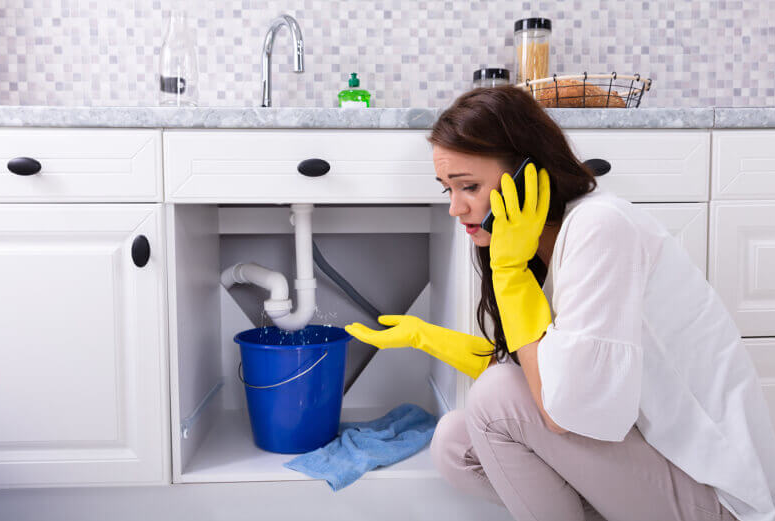
Despite careful attention, plumbing emergencies can still arise, often at the most inconvenient times. Being aware of local support options, such as emergency plumbing services in Utah, ensures that help is available promptly to tackle sudden leaks, broken pipes, or water heater malfunctions. Having a reliable plan in place enables homeowners to address urgent issues promptly, minimizing damage and restoring standard functionality. By combining routine care with knowledge of emergency resources, households can maintain a safer, more efficient plumbing system while avoiding unnecessary stress and expense.
Regular Inspections
Regularly inspect your plumbing system to avoid leaks, corrosion, and damage. Check under sinks, behind toilets, and around appliances such as dishwashers and washing machines every few months. Watch for signs like warping, discoloration, or wet spots, which indicate early problems. Address moisture, corrosion, or mold immediately to minimize water damage costs. Also, examine outdoor faucets, hose bibs, and irrigation systems—especially after cold weather—for cracks or leaks. Regular inspections can prevent major issues and help keep your home dry and your plumbing working efficiently. Using a checklist or setting reminders can make these inspections a routine seasonal practice.
Proper Disposal Habits
Be cautious about what you dispose of down the drain to prevent blockages and maintain clear pipes. Never flush wet wipes, feminine products, or cotton swabs, as they can cause clogs. Refrain from pouring grease, coffee grounds, or fibrous food scraps into the sink, since they tend to harden or cling to pipes, leading to blockages. Use a compost bin or trash for food waste, and educate household members on proper disposal methods. Developing good habits reduces non-biodegradable waste, supports the plumbing system and local wastewater infrastructure, and prevents neighborhood pipe blockages.
Monitor Water Pressure
High water pressure can put stress on pipes, leading to leaks or bursts. Typical residential systems are built for 40-60 psi. Excessively high or low pressure can reduce the lifespan of pipes, fixtures, and appliances. To check the pressure, use a water pressure gauge from a hardware store, attach it to an outside spigot, and measure the pressure at various times. If the readings are consistently high, consider installing a pressure regulator to maintain safe pressure levels. Proper pressure helps ensure the efficient use of showers, washing machines, and dishwashers while preventing potential damage.
See also: Technology in 2025: Trends That Are Shaping the Future
Insulate Pipes
Insulating exposed pipes in cold climates is essential. Pipes located in unheated spaces such as basements, attics, crawl spaces, and garages are prone to freezing and bursting, which can lead to water damage and costly repairs. Pipe insulation helps prevent freezing and improves energy efficiency by minimizing heat loss. Use foam sleeves or wraps, seal any gaps, and periodically check the insulation during the season. This approach helps prevent frozen pipes and saves energy. For guidance on the best insulation materials or installation methods, consult a hardware store or a professional plumber.
Maintain Your Water Heater
Regular maintenance of your water heater is crucial for maintaining optimal efficiency and reliability. Over time, sediment accumulation can decrease heating effectiveness and lead to noises, unpleasant water tastes, or odors. To maintain its good condition, flush the tank annually, inspect for rust or leaks, and verify that the pressure relief valve and temperature setting are both set to 120°F (49°C). Any unusual sounds or reduced hot water supply may signal the need for service. Routine care extends the unit’s lifespan, prevents malfunctions, and maintains energy efficiency. If you are unsure, consult your manual or contact a professional plumber.
Install Drain Guards
Drain guards are affordable devices designed to catch hair, soap scum, and debris, preventing pipe clogs in showers, bathtubs, and sinks. They are easy to install, can be removed for cleaning, and extend pipe lifespan without the use of harsh chemicals. Regular maintenance helps prevent blockages, particularly if you have long hair or pets that shed. Installing drain guards is a straightforward task anyone can do over a weekend.
Schedule Professional Maintenance
Even with regular home upkeep, it’s advisable to have a licensed plumber conduct an annual inspection. They can detect hidden problems such as leaks, blockages, or corrosion through pressure testing and camera inspections, which can prevent expensive emergencies. This service ensures your system remains reliable and might include recommendations for water efficiency and safety improvements. Investing a small amount annually in professional maintenance provides peace of mind and can ultimately save money.
Final Thoughts
A proactive approach to plumbing—through regular inspections, proper disposal habits, water pressure monitoring, pipe insulation, water heater upkeep, drain guards, and professional maintenance—can prevent costly repairs and unexpected emergencies. Combining routine care with awareness of emergency services ensures a safe, efficient, and long-lasting plumbing system for your home.