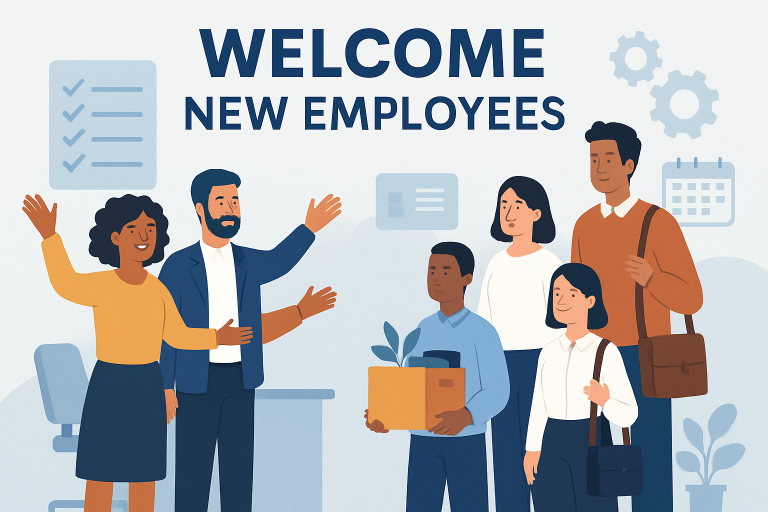
Best Practices for Building a Seamless Employee Onboarding Experience
Building a practical onboarding experience sets the stage for long-term employee satisfaction and organizational success. A thoughtful approach to onboarding not only equips new hires with essential knowledge and resources but also fosters immediate engagement and buy-in. Understanding what is the onboarding process and implementing a strategic plan can elevate both the employer and employee experience from day one.
First impressions matter, especially during a new hire’s initial days. A seamless onboarding journey helps reduce anxiety and clarifies expectations, ensuring that new team members quickly feel a sense of purpose and belonging. As recruitment competition intensifies, organizations that master onboarding gain a vital edge in employee engagement and retention metrics.
Develop a Structured Onboarding Timeline
One of the most effective ways to ensure consistency in onboarding is through a transparent and manageable timeline. By mapping out the essential touchpoints—such as sending preboarding emails, scheduling introductions, and establishing a 30-60-90 day plan—companies make the transition smoother for new hires. Early and ongoing communication is key: initiate contact before day one with a welcome message, provide a checklist of what’s needed, and set transparent expectations about training and team integration.
Adjust the onboarding pace based on role complexity and seniority. For instance, leadership positions may benefit from more immersive introductions, while entry-level roles thrive with frequent guidance and check-ins. Providing adequate time for learning avoids overwhelming new hires and ensures steady growth and assimilation.
Integrate Company Culture from Day One
A proactive introduction to company culture is essential for successful onboarding. Share your organization’s mission and values consistently, demonstrating how each employee’s role contributes to the overall vision. Celebrating organizational stories, arranging welcome breakfasts, or facilitating team-building exercises all help demystify workplace norms and foster an immediate sense of belonging. Openly discuss expectations around collaboration and communication to prevent misunderstandings and ensure every new hire feels valued from the outset.
Reinforcing company culture extends beyond presentations and manuals—it’s about creating an interactive and reflective onboarding experience that accurately reflects authentic workplace dynamics. Fostering early social connections helps break the ice and alleviates any sense of isolation or apprehension.
Utilize Interactive and Engaging Training Sessions
Dynamic, hands-on training sessions increase retention of new information and build confidence. Combine self-paced e-learning modules, shadowing experiences, and real-life simulations to accommodate various learning preferences. Layer in gamified features—such as quizzes, rewards, or progress tracking—to maintain high engagement levels and encourage continued participation in training.
Ongoing support through regular check-ins or feedback surveys ensures that training is practical and new hires are not left behind. Encouraging questions during and after training sessions also helps new employees feel supported and valued in their growth journey. Well-orchestrated training directly translates to improved workplace performance and satisfaction.
Assign Mentors or Buddies
Connecting each new hire with a mentor or buddy accelerates acclimation and builds lasting relationships. Mentors informally guide new employees through workplace processes and culture, answer pressing questions, and help troubleshoot challenges. This relationship can be instrumental in helping new hires quickly develop a sense of familiarity and confidence in their new roles.
Beyond facilitating a smooth transition, the buddy system promotes inclusion, nurtures company loyalty, and boosts both social and professional integration. Clearly outlining the mentor’s responsibilities and fostering open communication are essential to maximize the benefits of this relationship.
See also: Business Phone 6314823824 Customer Service
Leverage Technology to Streamline Onboarding
Technology plays a pivotal role in creating an efficient and scalable onboarding process. Digital onboarding platforms or Learning Management Systems (LMS) offer 24/7 access to essential resources, orientation content, training modules, and company guidelines. Interactive webinars, virtual tours, and mobile onboarding apps further enhance learning flexibility, helping remote hires feel equally involved.
Automating administrative paperwork through paperless onboarding solutions minimizes bottlenecks, allowing HR teams to concentrate on strategic engagement rather than manual tasks. However, it’s vital to balance automation with personal touchpoints—virtual welcome calls, for instance, maintain a human element and deepen personal connections.
Encourage Feedback and Continuous Improvement
To consistently enhance the onboarding experience, organizations should actively solicit feedback at multiple intervals throughout the process. Structured pulse checks, surveys, or informal conversations during and after onboarding help identify gaps early. Analyzing this input—and acting on it—demonstrates to new hires that their opinions matter, builds trust, and creates a cycle of continuous improvement.
Adaptive organizations regularly revisit their onboarding programs in response to evolving business goals, technological advancements, and employee feedback. Remaining open to change ensures the process stays relevant, inclusive, and effective for every new hire.
Conclusion
Driving success through onboarding requires more than just process completion—it depends on authentic engagement, actionable timelines, meaningful relationships, and a willingness to adapt. By combining structure, culture, interactivity, mentorship, technology, and feedback, organizations create onboarding programs that fuel employee satisfaction and retention, securing the growth of both new hires and the company as a whole.